
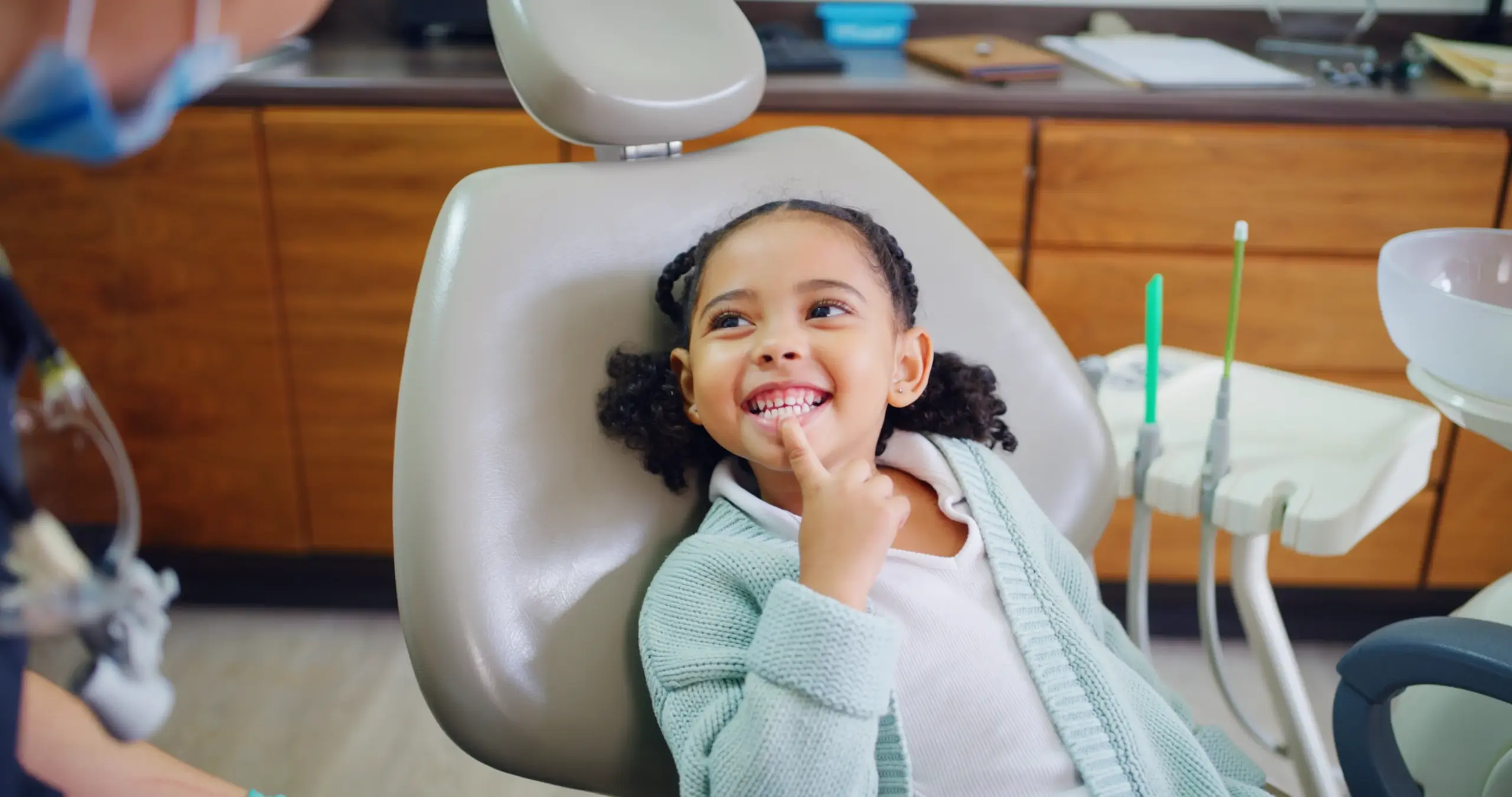
The Importance of Pediatric Dentistry in Niagara
Children’s oral health needs differ significantly from those of adults. Primary teeth serve important functions beyond temporary placeholders, including maintaining space for permanent teeth, supporting proper jaw development, and enabling clear speech and adequate nutrition. Early dental visits allow us to monitor development, identify potential issues, and intervene when treatment can be most effective.
We recommend that children visit the dentist by their first birthday or within six months of their first tooth appearing. These early visits familiarize children with the dental environment and give parents guidance on caring for emerging teeth.
Creating Positive Experiences
A child’s early dental experiences can influence their comfort with dental care throughout their lives. Our approach emphasizes gentle, patient-centred care that respects each child’s individual temperament and comfort level. We explain procedures in age-appropriate language, move at a pace that allows children to feel secure, and celebrate their cooperation.
For children who feel anxious, we employ techniques to help them feel more comfortable. Parents are welcome to accompany young children during appointments, and we encourage questions from both children and parents.
Preventive Services for Children
Prevention forms the cornerstone of pediatric dental care. Regular checkups and cleanings help children maintain healthy teeth and gums while allowing us to monitor their oral development. Our preventive services include:
- Comprehensive oral examinations
- Professional cleanings tailored to young patients
- Fluoride treatments to strengthen developing enamel
- Dental sealants to protect permanent molars from decay
- Digital X-rays when clinically necessary
- Oral hygiene instruction for children and parents
We work with parents to address dietary factors, thumb-sucking habits, and other behaviours that may affect oral health. Education plays a significant role in our preventive approach, helping families understand how daily habits influence dental outcomes.
Treating Childhood Dental Issues
When dental problems do arise, prompt treatment prevents discomfort and more extensive issues. We provide restorative treatments, including tooth-coloured fillings, crowns for primary teeth, and space maintainers when early tooth loss occurs. Our goal is to treat dental disease while preserving tooth structure and supporting normal development.
Dental injuries are relatively common in active children. Whether a tooth has been chipped, loosened, or knocked out, immediate care improves outcomes. We accommodate dental emergencies and provide guidance on how to handle common injuries when they occur.
Monitoring Growth and Development
As children grow, we track the eruption of permanent teeth, jaw development, and bite relationships. Early identification of orthodontic concerns allows for timely referrals when intervention may prevent more complex problems later. We monitor spacing, alignment, and bite patterns, discussing observations with parents and coordinating care with orthodontic colleagues when appropriate.
Some developmental issues benefit from early treatment, while others are better addressed after more growth has occurred. We provide honest assessments and recommendations based on current evidence and your child’s specific circumstances.
Building Healthy Habits
Pediatric dentistry in Niagara extends beyond clinical treatment to include education that empowers children to take ownership of their oral health. We teach proper brushing and flossing techniques, explain why these habits matter, and encourage children to participate actively in their care. Making oral hygiene engaging rather than a chore helps children develop routines they’ll maintain into adulthood.
We also discuss nutrition’s role in oral health, helping parents understand how dietary choices affect cavity risk. Practical strategies for reducing sugar exposure and timing snacks can significantly impact a child’s dental health outcomes.
Special Needs Accommodations
Children with special healthcare needs may require adapted approaches to dental care. We work with families to understand each child’s unique needs and develop strategies that allow us to provide effective care while respecting individual challenges. This might include modified appointment scheduling, sensory accommodations, or specific communication approaches.
Our priority is ensuring every child receives the dental care they need in a manner that respects their dignity and supports their well-being.
Partnering with Parents
Effective pediatric dental care happens through collaboration between the dental team and parents. We view parents as partners in their children’s oral health, providing the information and support you need to make informed decisions. We encourage questions, welcome your observations about your child’s oral health, and work together to address concerns.
Communication remains open and accessible. If you notice changes in your child’s teeth, have questions between appointments, or need guidance on handling an urgent situation, we’re here to help.
Transitioning to Adult Care
As children mature into adolescents and young adults, their dental needs evolve. We support this transition, adapting our communication and care approaches to match developmental stages. Teenagers face unique oral health challenges, including wisdom teeth development, orthodontic treatment, and increased independence in managing their oral hygiene.
We help young patients develop the knowledge and skills they need to maintain their oral health independently while continuing to provide the clinical care they require.
Schedule Your Child’s Visit
If you’re looking for pediatric dentistry in Niagara Falls that combines clinical expertise with a child-friendly approach, contact Niagara Dental Centre. Dr. Sante Aceti, Dr. Juliana Galessiere and our team are committed to helping your children develop healthy smiles and positive attitudes toward dental care. Reach out today to schedule an appointment for your child.